canton top Synthetic Turf Installation Professionals
canton top Synthetic Turf Installation Professionals
Blog Article
Fake Grass Installation: The Nature-Friendly Remedy for Your Lawn
Installing artificial grass provides a practical substitute for homeowners in search of a sustainable yard answer. Its resilience and minimal care demands offer considerable benefits compared to traditional grass. As water conservation turns ever more vital, artificial turf furnishes a sound response to ecological worries. Yet, the decision to install synthetic turf requires various considerations that merit thorough study. Which aspects must residents weigh before making the move to this green alternative?
Grasping Synthetic Turf: Primary Attributes and Gains
Synthetic turf has grown into a popular alternative to natural grass, presenting substantial advantages for various applications. One of its key features is wear-resistance; synthetic grass can withstand heavy foot traffic and extreme weather conditions without deteriorating. This robustness makes it an ideal choice for sports fields, playgrounds, and residential lawns.
Moreover, artificial grass demands minimal maintenance as opposed to natural grass. There is no requirement for lawn cutting, irrigation, or nutrient application, providing major time and cost savings for homeowners and facility managers alike.
In addition, artificial grass is planet-friendly, as it conserves water and negates the need for harmful pesticides and fertilizers.
With advancements in technology, modern synthetic turf mimics the appearance and feel of natural grass, providing aesthetic appeal without the drawbacks. These features together make synthetic turf a viable and attractive option for a wide range of uses.
Placing Synthetic Turf: A Sequential Guide
When looking at the benefits of synthetic turf, the next sensible move is understanding the installation process.
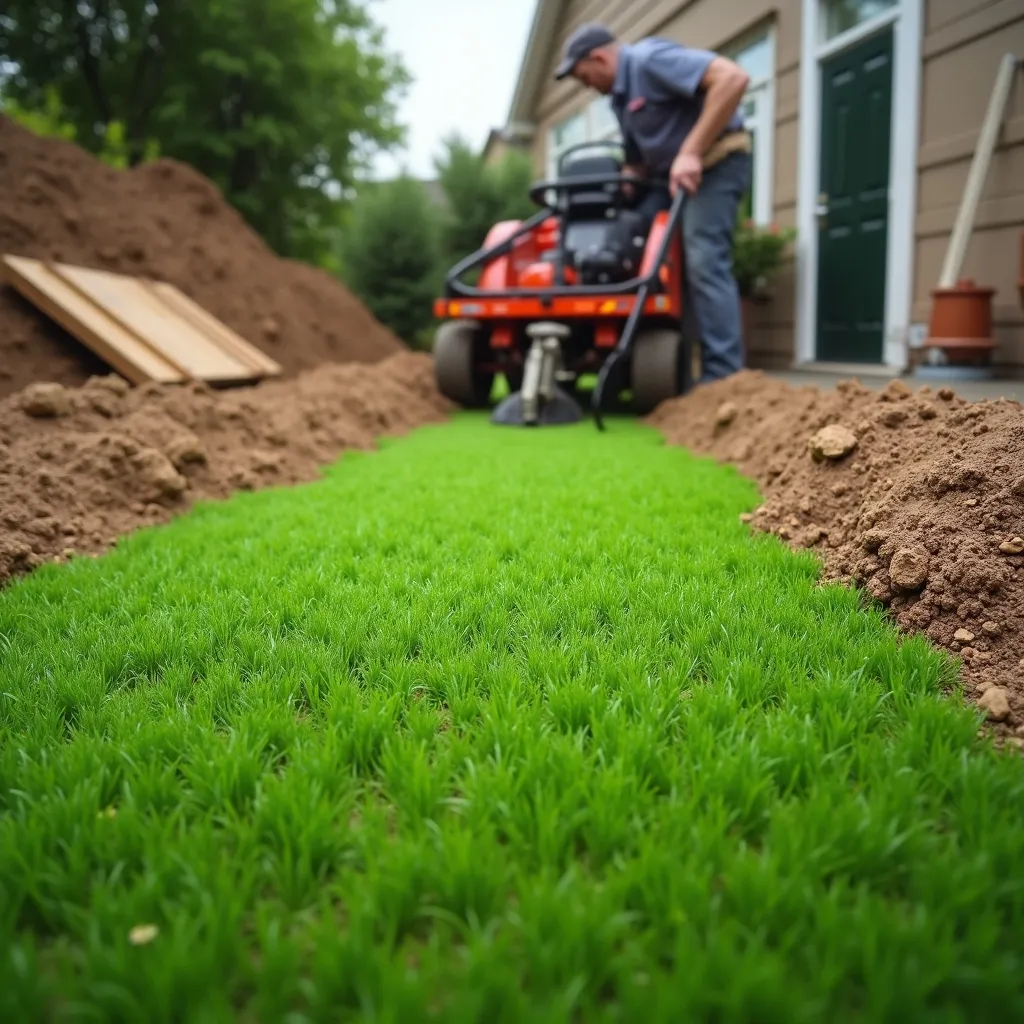
The opening stage entails site preparation, which includes clearing the area of present grass, weeds, and debris. Next, a base layer of crushed stone or stone is positioned to ensure proper drainage and durability. Following this, a weed barrier is applied to inhibit unwanted plant development.
Once the base has been readied, the synthetic turf rolls are extended and aligned, permitting proper alignment. The edges are secured with stakes or adhesive, assuring a seamless appearance.
Once situated, a layer of infill substance, such as rubber or sand, is spread uniformly to provide stability and weight. Finally, the turf is brushed to lift the strands and create a organic appearance.
Completing these processes establishes a robust, hassle-free lawn that amplifies both visual charm and functional value.
Why Opt for Synthetic Turf? Green and Useful Benefits?
Picking artificial grass offers many practical and environmental advantages that make it an appealing option for numerous homeowners and businesses. One significant advantage is water conservation; artificial turf removes the requirement for regular watering, which is especially beneficial in arid regions.
In addition, it reduces the reliance on harmful pesticides and fertilizers, encouraging a more sustainable ecosystem.
From a practical viewpoint, synthetic turf necessitates limited maintenance, saving effort and expenses on yard maintenance. It remains flourishing and green throughout the year, offering a consistent visual charm without seasonal fluctuations.
Additionally, synthetic turf is durable, able to withstand heavy foot traffic and various weather conditions, making it suitable for both residential and commercial applications.
These elements not only boost the practicality of outdoor spaces but also support long-term sustainability, making synthetic turf a persuasive pick for environmentally conscious customers.
Critical Things to Think About for Synthetic Turf Placement
Several factors must be taken into account before starting synthetic turf installation. First, it is essential to assess the planned purpose of the area. Different varieties of synthetic turf are designed for particular activities, such as sports or residential outdoor design.
Second, the local climate should be evaluated; some materials may endure heat superior than others.
Site useful guide setup is another vital aspect, necessitating sufficient drainage systems and a flat base to ensure longevity and operation. In addition, possible community ordinances or property association guidelines may influence installation options.
Picking the right infill material is vital for durability and comfort, as it influences both the appearance and sensation of the turf.
In conclusion, selecting a reputable service provider can greatly shape the excellence and longevity of the project. By tackling these points, dwellers can make informed determinations that most appropriately align with their desires and enhance their outdoor spaces.
Maintaining Your Synthetic Turf Lawn
Maintaining a synthetic turf lawn requires a consistent cleaning schedule to guarantee its durability and visual appeal.
Regular upkeep includes tackling any issues and implementing repair techniques as necessary.
Maintain a steady cleaning schedule
A regular maintenance plan is essential for preserving the appearance and longevity of synthetic turf lawns. Routine upkeep helps avoid debris buildup, reduces odors, and enhances aesthetic appeal.
Homeowners should attempt to clear leaves, twigs, and other decomposing matter at least once a week, especially during fall. Additionally, rinsing the turf with water monthly can help eliminate dust and allergens, guaranteeing a fresh look.
High-traffic areas could benefit from ongoing care to maintain the durability. In colder months, snow and ice should be thoroughly cleared to prevent damaging the fibers.
Identifying and Repair Guidance
Identifying and addressing issues promptly is crucial for preserving the integrity of synthetic turf lawns. Regular inspections should be conducted to spot signs of damage, such as rips, fraying, or uneven surfaces.
When a issue is detected, prompt action is imperative. Minor tears can be repaired using specialized adhesive or turf tape, providing a secure bond without damaging appearance. For larger issues, professionals may be required to replace sections of turf.
In addition, keeping the base material intact is critical; any shifting can result in further complications. Regular brushing helps maintain an even appearance and can also detect latent issues.
Price Analysis: Synthetic Turf vs. Natural Grass
When reviewing the costs of man-made grass to organic grass, first-time installation charges are significant.
In addition, long-term upkeep expenses can greatly determine the overall financial commitment of each option.
A full investigation of these elements offers valuable insights for prospective buyers.
Initial Installation Expenses
Initial installation costs play an essential role in the decision-making process for property owners and local governments considering synthetic turf versus natural grass.
Typically, the initial costs for synthetic turf can vary from $5 to $20 per square foot, based on quality and installation complexity. In contrast, natural grass installation usually costs between $1 to $2 per square foot.
However, the total cost in natural grass can grow substantially due to soil preparation, water systems, and routine care needs.
Property owners and local governments must evaluate these beginning expenses against the possible future gains of synthetic turf, such as reduced water usage and reduced upkeep obligations.
In the end, recognizing these costs facilitates making knowledgeable, sustainable landscaping decisions.
Extended Maintenance Expenses
Long-term operational costs markedly impact the overall return on investment of synthetic turf compared to natural grass.
Natural grass requires ongoing costs, such as regular mowing, fertilization, irrigation, and insect management, which can build up significantly over time. Homeowners may invest hundreds to thousands of dollars each year to maintain a lush green yard.
In comparison, synthetic turf demands low upkeep, largely periodic brushing and rinsing to clear away dirt and particles. Though the initial investment in artificial grass might be elevated, the reduced extended-term expenditures make it an appealing substitute.
Moreover, artificial grass reduces water bills tied to irrigation, further boosting its cost-effectiveness over time.
In the end, the financial advantages of synthetic turf upkeep can result in significant cost reductions for property owners in the long run.
Refuting Prevalent Myths About Synthetic Turf
Although numerous individuals maintain misconceptions about synthetic turf, understanding the facts can lead to informed choices. One prevalent myth is that synthetic turf is damaging to the ecosystem; however, many products are made from reclaimed resources and are designed to be durable, reducing waste.
Another widespread notion is that synthetic turf requires excessive heat control, but modern installations often include efficient cooling technologies that mitigate temperature issues.
Moreover, some critics suggest that artificial grass promotes artificial compounds; yet, innovations in composition have greatly reduced the requirement for damaging filler materials.
Finally, the assumption that synthetic grass cannot support biodiversity is misleading; many installations can integrate with native plants, supplying habitats for local wildlife.
Frequently Posed Questions
How Long Can Synthetic Turf Remain Functional Before Demanding Replacement?
Synthetic turf typically remains viable between 15 to 25 years before requiring replacement. Aspects influencing longevity include caliber, upkeep practices, and environmental factors, which can substantially affect its endurance and operational effectiveness over time.
Finding Out Whether Pets Can Securely Use Synthetic Turf?
Pets may safely use synthetic turf, as it is designed to be durable and non-toxic. Regular maintenance guarantees cleanliness, making it a practical option for pet owners seeking a low-maintenance, enjoyable outdoor space for their animals.
Will Artificial Grass Absorb Heat When the Weather is Bright?
Yes, synthetic turf does absorb heat in sunny weather, significantly increasing surface temperatures. This can result in unease for both animals and people. Frequent irrigation or selecting lighter-colored turf can help mitigate this heat absorption.
What Alternatives Are Available for Artificial Grass Colors and Styles?
There are artificial grass options featuring colors such as rich greens, earthy browns, and specialty shades. From authentic mimicry of natural grass to ornamental designs, types include a variety of looks and functional needs.
What Effect Does Synthetic Turf Have on Local Wildlife?
Man-made turf can disrupt local animal populations by changing ecosystems and decreasing natural food sources. Its lack of flexibility may deter certain animals from foraging or nesting, potentially leading to decreased biodiversity in the affected areas.
Report this page